
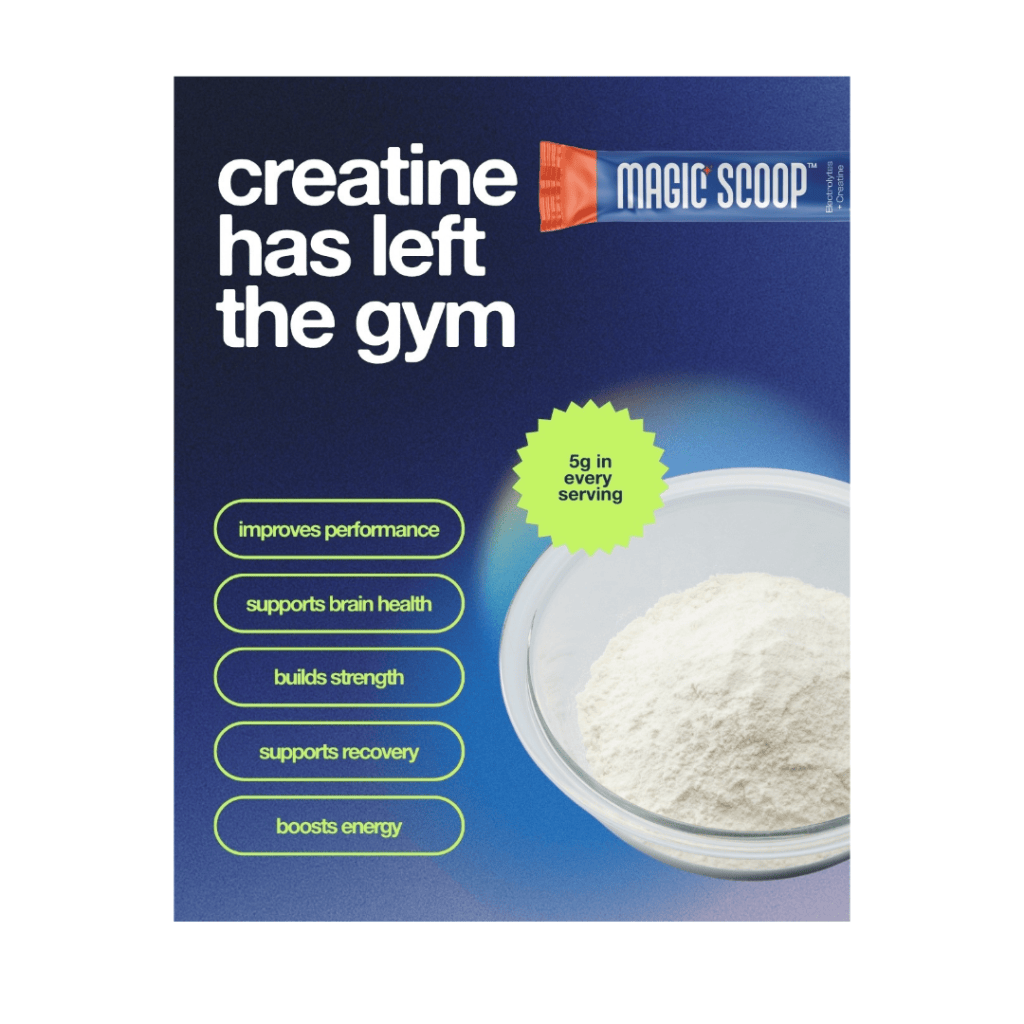
For decades, creatine was viewed almost exclusively as a supplement for elite athletes, sprinters, and bodybuilders looking to pack on bulk. But nutritional science is undergoing a massive shift: sports nutrition is rapidly becoming active aging nutrition.
In recent deep-dive discussions on The Dr. Plant Podcast, host Dr. Joshua Plant sat down with two of the world’s leading authorities on creatine research: Dr. Richard Kreider, Professor and Director of the Exercise & Sport Nutrition Lab at Texas A&M University, and Dr. Scott Forbes, professor and researcher at Brandon University in Canada who has spent over 15 years studying creatine, athletic performance, and healthy aging.
Together, their work breaks down why creatine is emerging as one of the most vital, science-backed nutrients for extending not just our lifespan, but our health span—the years we live with vitality, strength, and sharp mental clarity.
1. The Cellular Battery: How Creatine Works
To understand why creatine matters across midlife, older adulthood, and healthy aging, we first need to look at cellular energetics.
Creatine serves as a rapid replenishment system for adenosine triphosphate (ATP), the fundamental energy currency of our cells. Our bodies naturally synthesize creatine in the liver, kidneys, and brain, and we consume it through animal-based foods like red meat and seafood.
Once inside the body, 95% of creatine is taken up into skeletal muscle and converted into phosphocreatine. Dr. Joshua Plant describes this brilliantly:
“Cells have one primary form of energy called ATP… phosphocreatine is a little bit like a bank ATM. When you’ve exhausted your cash, phosphocreatine is sitting there saying, ‘Hey, I can quickly get you a little bit more ATP.’”
Whether you are performing a heavy lift in the gym, reacting quickly to avoid a stumble on a hiking trail, or sustaining intense mental focus, phosphocreatine acts as an on-demand cellular battery to keep tissues running smoothly.
2. Preserving Muscle Mass, Strength, and Independence
As we age, natural declines in muscle mass and power (sarcopenia) significantly elevate the risk of falls, mobility loss, and chronic illness. Maintaining muscle is not just about aesthetics—it is a cornerstone of functional longevity.
Insights from Dr. Richard Kreider & Dr. Scott Forbes on Muscle & Strength
- Lean Mass vs. Muscle Size: Dr. Forbes points out that while clinical trials frequently measure “lean mass” (which includes water retained within the muscle cells along with protein and connective tissue), advanced ultrasound studies show measurable increases in muscle thickness (such as in the quads, hamstrings, and biceps) when combining creatine with resistance training.
- Real-World Strength Gains: Meta-analyses highlight that creatine supplementation significantly enhances upper and lower body strength—such as increasing squat performance by several kilograms over an 8-to-12 week training protocol.
- Preserving Muscle Even in Deficits: Trials from Dr. Kreider’s lab at Texas A&M show that creatine helps middle-aged and older adults preserve vital lean mass and function, even when navigating modest caloric deficits or weight management phases.
For anyone who loves staying active outdoors—whether hiking, biking, or playing pickleball—maintaining this muscular foundation protects joint stability and overall mobility.
3. Fueling the Brain: Creatine as a Nootropic
While the bulk of our creatine stores reside in skeletal muscle, the human brain accounts for roughly 20% of the body’s total energy consumption. Brain cells rely heavily on constant ATP turnover to maintain neurotransmission and cellular integrity.
What the Research Shows (and Where to Be Cautious)
Both Dr. Kreider and Dr. Scott Forbes emphasize the importance of looking past social media hype when it comes to brain health:
- The Context Matters: In young, well-rested, healthy individuals, standard daily doses often show minimal cognitive changes because the brain is already operating efficiently and features tight blood-brain barrier regulation.
- When Creatine Shines: Creatine benefits cognitive performance most clearly when the brain is under stress or fatigue—such as during acute sleep deprivation, high mental load, hypoxia, or in aging populations facing cognitive fatigue.
- Menopausal & Aging Support: Emerging research (such as work by Dr. Sergey Ostojic and other international collaborators) highlights potential cognitive benefits for women navigating menopausal transitions and older adults maintaining mental stamina.
4. Dosing Strategy and Choosing the Right Form
With so many marketing gimmicks and alternative formulas on the market, simplicity and science should always win.
Why Creatine Monohydrate is King
Dr. Scott Forbes emphasizes a point backed by decades of data: 95% of all published scientific literature on creatine uses simple creatine monohydrate.
- Alternative forms (like Creatine HCL) may offer slightly higher water solubility, but clinical trials show they do not yield superior absorption or better training adaptations than monohydrate.
- Creatine monohydrate is significantly more cost-effective, thoroughly safety-tested, and remains the undisputed gold standard.
Dosing Guidelines for Active Aging
- Skeletal Muscle Saturation: 3 g to 5 g daily is entirely sufficient to fully saturate intramuscular phosphocreatine stores over time. A loading phase of 20g/day is optional and not strictly required; daily baseline consistency is what matters most.
- Brain & Cognitive Protocols: Because creatine crosses the blood-brain barrier less efficiently than it enters muscle tissue, clinical neurological studies often evaluate higher daily doses (ranging from 10 g daily).
5. Building an Active Aging Stack
As Dr. Scott Forbes and Dr. Joshua Plant agree, nutritional supplements are designed to supplement a healthy foundation—they cannot replace core lifestyle habits. To optimize your health span across the decades, focus on these four pillars:
- Consistent Strength Training & Movement: Stimulate neuromuscular connections and maintain muscle architecture 3 to 4 days a week.
- Adequate Dietary Protein: Counteract age-related anabolic resistance by consuming enough quality protein to stimulate muscle protein synthesis.
- A Plant-Forward, Whole-Food Diet: Prioritize fiber-rich vegetables, fruits, and quality whole foods.
- Targeted Nutritional Support: Integrate creatine monohydrate daily to support cellular bioenergetics, muscle preservation, and brain energy reserves.
Our Top Pick: Magic Scoop Electrolytes + Creatine
If you are looking for an all-in-one, travel-friendly solution that aligns with these active aging principles, we recommend Magic Scoop Electrolytes + Creatine made in Vancouver, Canada and Health Canada approved:
- Clinically Dosed: Provides 5 g of pure creatine monohydrate per serving, perfectly matching research-backed maintenance guidelines.
- Cellular Hydration: Packed with clean electrolytes to optimize hydration and muscle firing—whether you’re on a long hike, playing pickleball, or staying active outdoors.
- Clean & Convenient: Free from unnecessary fillers and packaged in easy-to-use stick packs.
👉 Discover Magic Scoop Electrolytes + Creatine Here and get 15% off today. Made in Canada.
Active aging isn’t about avoiding years on the calendar—it’s about giving your cells the energy reserves they need to stay resilient, sharp, and capable for decades to come.



Leave a Reply